
White Paper: Beyond the Tick Box
What the Changes to New Zealand's Health and Safety Law Mean for Workplaces
Workplace health and safety has never been about paperwork alone. It's about understanding the risks people face at work and making sure the right measures are in place to protect them.
With changes to New Zealand's Health and Safety at Work Act 2015 (HSWA) taking effect on 1 April 2027, businesses will need to place greater priority on managing critical risks.
At Safety ’n Action, we see this as an opportunity for workplaces to review how they approach health and safety. Not simply to meet legislative requirements, but to ensure the most serious risks are being recognised, understood and effectively managed.
What's Changing Under the Act?
The Health and Safety at Work Amendment Act 2026 updates the purpose of HSWA to provide a more balanced framework that prioritises critical risks.
These are risks associated with hazards likely to cause death, serious injury, serious illness or long-term harm.
The changes also introduce different risk management requirements depending on the size of the business.
For smaller businesses with fewer than 20 workers, general risk management duties will focus on critical risks, alongside other duties that continue to apply.
For larger businesses with 20 or more workers, the responsibility to manage all workplace risks remains, but critical risks must be prioritised when allocating time, resources and funding.
The message isn't that other aspects of workplace safety no longer matter. It's that the most serious risks need to receive the attention they deserve.
Understanding What Really Matters on Site
Consider a workplace where forklifts operate alongside pedestrians, employees regularly work at height or maintenance teams enter confined spaces.
Each task carries risks that can have significant consequences if they're not properly managed.
But identifying a hazard on a checklist is only the beginning.
At Safety ’n Action, we believe the real value of risk management comes from understanding how those hazards affect people carrying out their everyday work.
Are the controls suitable? Do workers understand why they're in place? And are they confident enough to recognise when something isn't safe?
Developing these skills through practical experience and learning, including areas such as Hazard & Risk Management, can help workers recognise hazards and understand the importance of effective controls.
Good risk management isn't measured by the number of hazards recorded, but by how effectively those hazards are controlled.
Shared Workplaces, Shared Responsibilities
Many New Zealand workplaces involve multiple businesses working alongside one another, from contractors on construction sites to transport operators accessing warehouses.
Under HSWA, businesses with overlapping duties must consult, cooperate and coordinate with each other so far as reasonably practicable.
The amendments clarify how WorkSafe will approach these responsibilities.
For smaller businesses, WorkSafe's focus will be on coordination involving critical risks. For larger businesses, the focus will continue to cover all risks.
This reinforces an important principle: workplace safety doesn't stop at the boundary of one business.
When people share a work environment, communication and a clear understanding of responsibilities remain essential.
Greater Clarity Through Approved Codes of Practice
Another significant change involves Approved Codes of Practice (ACOPs), which provide guidance on how particular types of work can be carried out safely.
From April 2027, certain ACOPs will offer what is known as safe harbour.
This means businesses following the relevant actions in an eligible ACOP will be treated as having met the corresponding legal duty, provided those actions apply to their role and circumstances.
The provision will apply to newly approved ACOPs and two specified existing codes covering forestry operations and cargo handling at ports and on ships.
Industries will also be able to develop proposed ACOPs for WorkSafe's review and potential ministerial approval.
For businesses, this provides an opportunity for clearer, more practical guidance on meeting their responsibilities.
Why Knowledge and Competency Still Matter
Legislation can establish expectations, but it's the decisions made on site that determine how effectively risks are managed.
A worker operating a forklift needs more than an awareness that moving machinery presents a hazard. They need to understand safe operating practices, pedestrian interactions and the limitations of their equipment.
These are practical skills developed through experience and appropriate instruction, including Forklift Operator training.
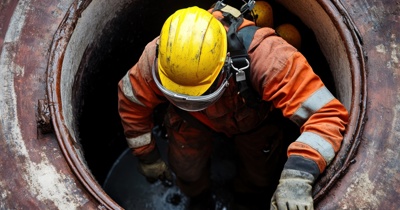
The same principle applies to confined spaces, where atmospheric hazards, entry procedures and emergency planning require specific knowledge and preparation. These are important components of Confined Space and Gas Detection training.
At Safety ’n Action, our approach has always been about helping people understand not just what to do, but why it matters.
Because knowing a risk exists and knowing how to manage it are two very different things.
What Should Businesses Do Before April 2027?
The upcoming changes provide a timely opportunity for businesses to assess their current approach to workplace safety.
This means identifying which hazards could cause the most serious harm, reviewing whether existing controls are effective, and ensuring workers understand the risks associated with their roles.
Businesses should also consider how responsibilities are shared with contractors and other organisations and stay informed as WorkSafe releases further guidance.
For smaller businesses, understanding the scope of the new requirements will be important. A greater focus on critical risks should not be mistaken for an absence of other applicable legal obligations.
A More Focused Approach to Workplace Safety
The changes to HSWA signal a shift towards prioritising the risks with the greatest potential for harm.
But effective workplace safety will continue to depend on more than legislation.
It requires informed decisions, competent workers, clear communication and a genuine commitment to managing risks before something goes wrong.
Meaningful improvements in workplace safety come from putting knowledge into practice, ensuring risks are understood, controls are effective and people are protected on the job..
Because the goal isn't just to meet the requirements of the law. It's to make sure people go home safely at the end of the day.
________________________________________
Reference: WorkSafe New Zealand — What is the updated purpose of the Health and Safety at Work Act?
This article provides general information and commentary on legislative changes scheduled to take effect on 1 April 2027. Businesses should consult current legislation and WorkSafe guidance when determining their specific obligations.
View training solutions
-
Forklift Operator
Gain the knowledge and skills to safely operate a powered industrial lift truck. Unit standards covered: 10851
-
Confined Space and Gas Detection
Prepare yourself with the knowledge and technical skills to effectively plan, observe and safely enter a confined space. Unit standards covered: 17599, 18426 and 25510. Optional unit standards: 3058, 19207 and 18037
-
Online Heights Legislation
Gain the skills to identify and control hazards when working at heights Unit standard 17600
-
Online Confined Space and Gas Detection Refresher
Refresh your knowledge and technical skills to effectively plan, observe and safely enter a confined space. Refresh Optional Unit standards: 17599, 18426, 25510, 3058, 19207, and 18037 Students must have units reported previously on their NZQA Record of Achievement to be refreshed on this training course
